



In the world of live casino games online, a product needs to grab a player’s attention straight away. Targeting UK players, bonus cash or crash live presents a visually engaging and interactive design worth examining. Its design isn’t just for show. It serves a functional purpose, designed to manage the tense multiplier-based gameplay using transparent feedback and dramatic tension. The interface serves as the direct connection between user decisions and the game’s uncertain narrative, so its effectiveness is everything. This examination will analyze the layout, examining how color, layout, info architecture, and animation combine to craft a design that is easy for novices and captivating for frequent users.
Color Scheme and Its Emotional Influence
Cash or Crash Live employs its colour scheme with a clear purpose. Deep blues, charcoal greys, and clean whites prevail, forming a calm and focused backdrop. These cooler colours act as a neutral canvas, which makes the strategic pops of accent colour much more effective. The ‘Cash Out’ button, for example, typically uses a assured, reassuring green. Warning signals or the ‘Crash’ moment itself might blink with urgent reds or oranges. This colour coding functions on instinct. Green indicates safety and profit. Red warns danger and a full stop. For players in the UK, where visual signals in games are often quite standardized, this intuitive design speeds up the learning process. It allows universal colour associations steer the emotional response, which amplifies the narrative tension of every round.
Screen Structure and Content Organization
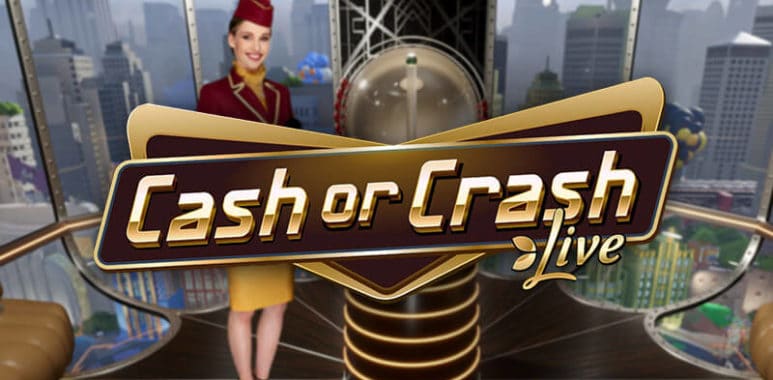
The user interface splits the screen into distinct areas, highlighting critical data without cluttering the view. The main focal point is the live video feed featuring the host and the game board. This preserves the human element and the main action front and centre. Critical details—the active multiplier, the stake sum, and the potential win—appears in bold, clean text on clean panels, usually at the top or sides of the screen. This arrangement assures that during the critical seconds when a player must decide to ‘Cash Out’ or try the ‘Crash’, all the vital facts are directly available in their line of sight. The grouping makes sense: wager options sit apart from game statistics, and help menus are easy to find but stay unobtrusive. This clever spatial layout minimizes mental strain, allowing players to focus on their approach and the rising excitement.
Contrast with Rival Streamed Game Shows
Stacked up against other well-known live dealer game shows available in the UK, Cash or Crash Live’s interface stands out via its concentrated goal and coherent storyline. Unlike titles with complex bonus wheels or several stages, its structure is optimized to narrate a single clear story: the ascent and potential fall of a multiplier. This simplicity makes it feel less cluttered than some rivals. The aviation motif is integrated into the experience more distinctively than standard studio backgrounds, delivering a more intense atmospheric experience. Some titles may offer more frenzied gameplay or a broader selection of betting options. Cash or Crash Live’s user interface excels at presenting one tense dilemma with a film-like polish. It trades complexity for clarity and a profound sense of ambiance, establishing a distinct niche in the market.
Motion and Reaction for Player Actions
Every single action a player takes in the Cash or Crash Live interface has a precise, significant motion as a reaction. This feedback is crucial. Making a wager triggers a subtle but confirmatory visual cue, for example a highlight or a gentle pulse on the token. The most significant visual effects are reserved for the game’s critical moments. The climb of the multiplier might be shown with an ascending graphic or a fast-spinning counter, which creates tension. The ‘Crash’ occurrence itself gets an intentionally striking visual—maybe a display tremor or an explosion—that drives home the loss physically. Conversely, a successful withdrawal is honored with encouraging, uplifting visuals. These are not simply ornamental. They are a core part of the user experience, turning abstract outcomes into something tangible and immediate. This heightens the emotional stakes.
Evolution of the Concept and Future Promise
The visual design of Cash or Crash Live has experienced subtle refinements since it first launched, showing a creative team that listens and adapts. Earlier versions have been refined for improved clarity and more fluid motion graphics, often based on player input and tech improvements. Going forward, the robust thematic base provides great scope for interesting extensions. One can imagine seasonal or special event overlays—a “space mission” or “oceanic exploration” idea, maybe—that could revitalize the graphics without changing the basic rules. Additionally, improvements in streaming tech may permit interactive on-screen features or personalised visual settings. For the UK audience, which appreciates novelty and consistent performance, the challenge will be to blend any fresh introductions with the clear, simple interface that currently makes the game’s interface so effective.
Inclusivity Factors for a Broader Audience
Live casino games offer some natural challenges for accessibility, but Cash or Crash Live features several well-considered design choices. The high contrast between text, UI elements, and the background assists users with visual impairments. Clear, symbolic icons paired with text labels support understanding. While the live host’s audio is a central part of the show, most critical game information is also displayed visually. This creates a redundant channel for players with hearing difficulties. That said, there is space for more progress. More detailed alt-text for dynamic game elements or scalable interface options could be added. For a UK operator, meeting and surpassing evolving digital accessibility standards goes beyond the right thing to do. It also broadens the game to a broader audience, making this a continuing priority.
The Main Aesthetic: A Sleek Aviation Theme
Cash or Crash Live sets its identity apparent from the start with a consistent aviation and travel theme. This acts as a metaphor for the game’s journey of rising risk and possible reward. The studio backdrop employs dark tones, suggesting a private jet hangar or a premium airport lounge, with muted metallic finishes and soft ambient lighting. This environment is a intentional choice. It conjures feelings of luxury, precision, and adventure, which fits neatly with the high-stakes play. For UK players used to high-quality production in their entertainment, the setting feels both familiar and upmarket. The look shuns cartoonish or silly elements. Instead, it adopts a sleek, contemporary realism that provides the game weight and credibility, presenting the financial decisions as serious business happening in a stylish space.
Font styling & Legibility In Stressful Moments
During rapid gameplay where finances are at risk, text must be easy to read instantly. Cash or Crash Live’s typography excels at this. It relies on bold, crystal-clear sans-serif typefaces, even on a smaller mobile screen. The multiplier and bet numbers, show up as large, heavy digits. This ensures they dominate the display visually. Descriptive labels and other text use a lighter font weight but still keep a strong contrast against the black backdrops. Structuring fonts by priority effortlessly guides the viewer’s gaze from the key information—the potential payout to the auxiliary details. This technique prevents any confusion, a critical necessity for ensuring honesty and clarity in a real-money game.
Mobile Responsiveness and Cross-Device Experience
A large part of the UK market engages with casino games on phones and tablets, so a smooth experience across different devices is vital. Cash or Crash Live exhibits strong responsiveness. Its interface adapts gracefully to fit various screen sizes and orientations. On a mobile, the layout often transitions to a more vertical stack, arranging information panels above or below the main video feed to provide the action as much room as possible. Touch targets, like buttons and sliders, are made large enough for simple finger use. Significantly, the game keeps all its features and visual clarity no matter the device. Nothing is lost on a smaller screen. This consistency ensures a player can switch from their desktop to their phone without having to learn a new layout, a major factor in ensuring players happy and engaged in a mobile-centric world.